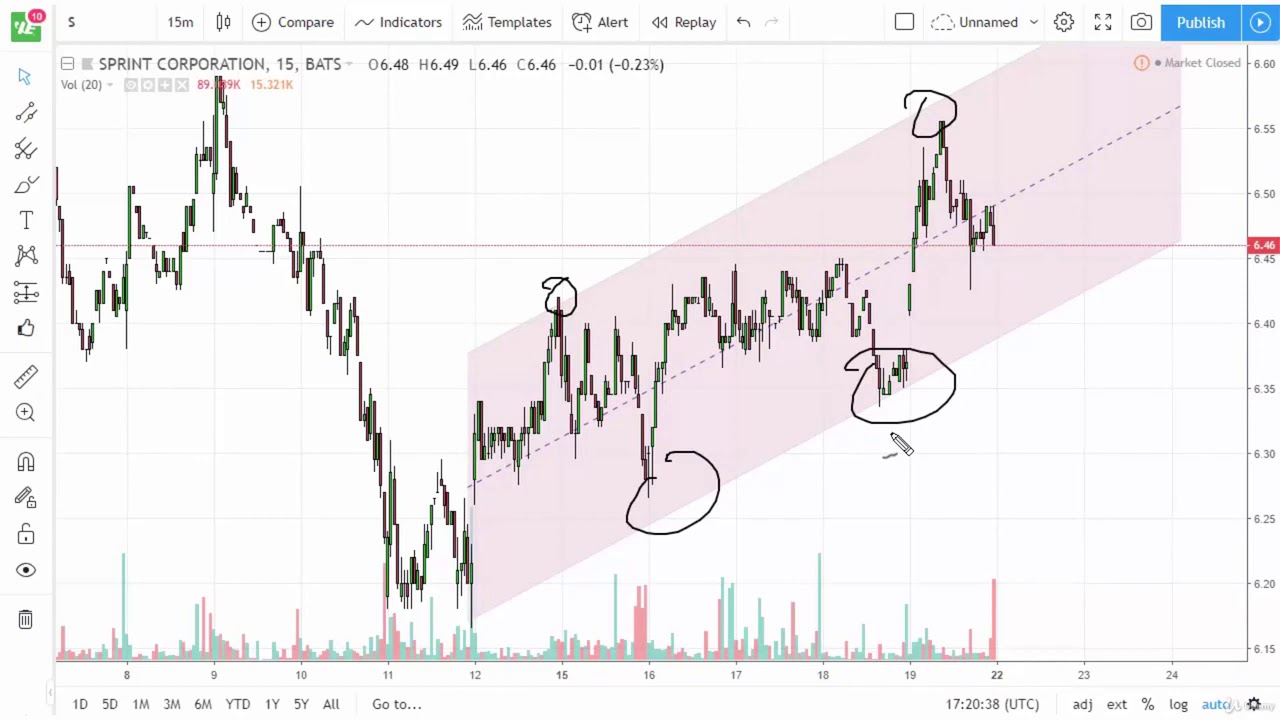
How to Use Trading View For Chart Analysis – (Day Trading Preparation)
Day Trading & Technical Analysis System For Intraday Trading Stocks, Forex, Crypto, Options Trading & Financial Trading
What you’ll learn
Learn All The Charting Tools, Trading Strategies And Profitable Hacks For Day Trading With Real World Examples!
Dedicated Support from the Course Instructors and the Learning Community. 100% Questions Answered Within 24 Hours!
How to Build a Solid Strong Foundation For Day Trading
How to Use TradingView For Chart Analysis & Paper Trading
How to Choose The Best Chart Time Frames For Day Trading
How to Use Different Day Trading Order Types
How to Short Sell & Deal With Short Squeezes
How to Avoid Blowing Up Your Account
How to Use Support & Resistance
How to Trade Profitable Technical Indicators & Overlays That Work Well For Day Trading
How to Identify Market Directions Using EMA
How to Identify Market Directions Using MACD
How to Identify Overbought and Oversold Conditions Using RSI
How to Use Bollinger Bands to Buy Low Sell High
How to Trade Profitable Chart Patterns That Work Well For Day Trading
How to Trade Broadening Tops and Bottoms
How to Trade Wedges and Triangles
How to Trade Flags and Pennants
How to Trade Gaps
How to Trade Double Tops and Bottoms
How to Trade Rounding Tops and Bottoms
How to Trade Diamond Tops and Bottoms
How to Trade Cup and Handle
How to Trade Head and Shoulders
How to Trade Dead-Cat Bounces
And a lot more…
Is there a pattern to commodity prices? Can you predict future prices based upon past performance? These questions are ones every commodity market participant wonders about. To answer these questions requires study of the factors that influence market prices. To accomplish this task there are two methods available to the market analyst, fundamental and technical.
Fundamental analysis is based upon the traditional study of supply and demand factors that cause prices to rise or fall. Such factors include drought, flood, war, politics, exchange rates, inflation and deflation. The previous section on supply & demand and stocks/use ratios are methods used by fundamentalists to arrive at an estimate of the equilibrium market price of a commodity over time in order to determine if the current market price is over or undervalued.
Technical or chart analysis, by contrast, is based upon the study of the market action itself. While fundamental analysis studies the reasons or causes for prices going up or down, technical analysis studies the effect of the price movement itself. Technical analysts claim that markets do trend and that by charting market prices you can control commodity price risk management. They further claim that by combining the use of price charts with appropriate marketing tools and pricing strategies can have a major positive impact on your profitability and, therefore, the long term survival of your business. Charting can be used by itself with no fundamental input, or in conjunction with fundamental information. You will find that as you become more skilled in charting and technical analysis, that the illusion of randomness in the commodity market will gradually disappear. This will lead to more confidence in making those very crucial marketing decisions.
In this section of the course you will learn what technical theory is, how to construct daily, weekly, and monthly bar charts. You will also explore the basic concepts of trend, trend-lines, price support, price resistance, volume and open interest. Finally you will learn how to use all of these tools to confirm price action or to warn of impending price trend changes as you do some price forecasting of your own.
| この動画について | |
|---|---|
| URL | https://www.youtube.com/watch?v=Doj6azV5uZI |
| 動画ID | Doj6azV5uZI |
| 投稿者 | TradingMasterToday |
| 再生時間 | 07:33 |

コメント